
-
Book Your Place Now
Free
Free of Charge

Tuesday 13 Oct 2026 | Online | Pre-recorded | Free for 7 Days
Sensory inclusion means changing environments — physical and relational — so more people can participate, belong and thrive.
A day to bring sensory inclusion into the everyday
1
This summit is built for you -
Whether you're a therapist adapting clinic and home environments, a SENCO reshaping a classroom for one child, an early-years practitioner building sensory-friendly routines, a paediatric nurse reimagining how your clinic welcomes a child, a social worker rethinking family contact spaces, or a psychologist creating more sensory-accessible assessment settings.


2
We've curated a programme of leading UK voices working across education, health, social care and community settings.
Every speaker will share research, practice or lived experience — and every session will leave you with practical environmental adaptations you can take back to your own setting.


3
What to expect
Expect a tone that's neuro-affirming throughout, and a focus on what's actually working in classrooms, clinics, contact rooms, wards and community spaces today. You'll receive a CPD certificate of attendance.


4
Win a free place on our flagship Facilitator Certificate
Register for the Sensory Inclusion Summit 2026 and you're automatically entered into our free prize draw. Two winners will each receive a free place (worth £395) on the Sensory Inclusion Facilitator Certificate — one on Sensory Integration Education (SIE) and one on Sensory Inclusive Schools (SIS). Already completed it? You'll receive a £395 course voucher to use on another course instead. Entries close 23:59 (UK time) on 20 October 2026. Open worldwide, 18+. Full prize draw terms and conditions →

Beth Smithson
Lifelong Learning Director

Why the environment?
Our sensory systems are in constant relationship with the world around us. Light, sound, smell, touch, movement, pace, transitions, predictability and choice all shape how safe and available a person feels — but so does what they bring with them. Sleep, pain, hunger, fatigue, anxiety, illness and emotional load all affect how much capacity someone has on any given day.
Which means capacity is not fixed. A person may manage an environment one day and find the same environment overwhelming the next. Sensory inclusion asks us to understand that dynamic relationship between the person, their sensory system, the environment and the occupation.
And the environment is not only the physical space. It's the people within it, the relationships, routines, expectations, pace, culture and emotional tone. It's making sure people have access to sensory joys and opportunities, not just strategies for managing distress. A sensory inclusive environment is one where people feel seen, believed and supported.
Sensory Inclusion Summit Speakers
(Subject to change)
The Making of Sensory – A short film
Professor Victoria Bates, BA (Nott.), MA (Exon.), PhD (Exon.)
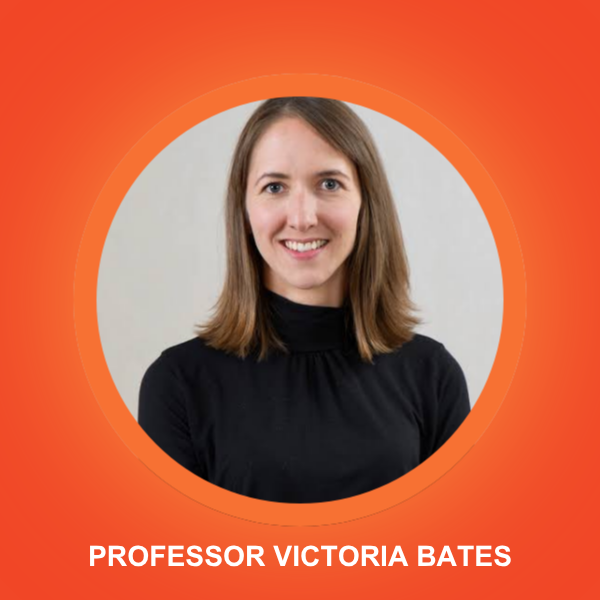
This talk will outline the process of making the co-produced film Sensory, the impacts of the film, and lessons from the process about potential improvements to hospital care.
Sensory is a film project about autistic people’s experiences of hospitals. It is a fictional film, but it is grounded in the real stories and experiences of East London Foundation Trust (ELFT) staff, patients and service users. The film was co-produced with autistic people, staff, and carers, and it has a fully neurodivergent cast.
It is a collaboration between the University of Bristol project ‘Sensing Spaces of Healthcare’, ELFT, and Inner Eye Productions. Overall, Sensory aims to harness the power of storytelling to represent autistic people’s hospital encounters.
Watch the films
- University of Bristol YouTube – Sensory
- University of Bristol YouTube – The Making of ‘Sensory’
Professor Victoria Bates, BA (Nott.), MA (Exon.), PhD (Exon.)
Victoria Bates is Professor of Modern History at the University of Bristol. Her current project ‘Sensing Spaces of Healthcare’ (UKRI FLF) involves working closely with hospital art organisations to understand and improve sensory environments.
The project has also resulted in a number of publications on the history of hospital senses, including Making Noise in the Modern Hospital (CUP, 2022) and Feeling Blue: Colour and the Modern British Hospital (MUP, 2025). She is also co-editor of the Routledge Handbook of Health and Environmental Humanities (Routledge, 2026).
Why Relationships Matter
Dr Susan Allen, PhD, MSc, FHEA, BSc, DipCOT
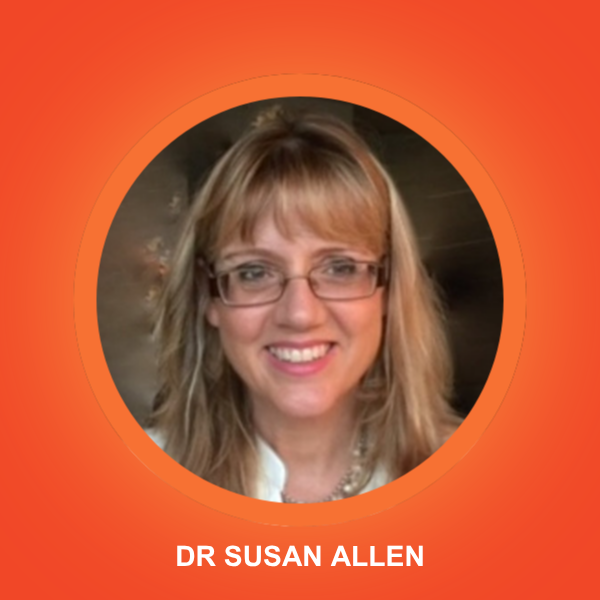
This presentation by Dr Susan Allen explores how children’s sensory integration differences (SID) impact relationships between mothers, children and their communities. Research shows SID creates practical and emotional challenges, often exacerbated by a lack of understanding from others.
Mothers report significant negative impacts on family and social connections. The evidence emphasises that social support is crucial, with many mothers finding value in online resources and peer networks. Key clinical implications include the need for
occupational therapists to provide both direct child intervention and broader community education. Ultimately, building understanding and strong support networks is essential for fostering participation and well-being.
Read the research
- Mothers’ Perspectives: Daily Life When Your Child Has Sensory Differences
- Coaching Parents of Children with Sensory Integration Difficulties: A Scoping Review
- Full PhD thesis, University of Reading
Dr Sue Allen, PhD
Dr Susan Allen, PhD, MSc, FHEA, BSc, DipCOT
Sue is a Senior Lecturer in Occupational Therapy at Oxford Brookes University, where she applies her passion for supporting children and their families. Her research interests centre on the impact of sensory processing differences and how occupational therapists can help families participate in daily life. Sue's extensive clinical career spans the UK, the US and Singapore, where she has led clinical and academic development. Her expertise in sensory processing and therapist education has been recognised with a Fellowship from Sensory Integration Education.
Research Insights Into Sensory-inclusive Environments
Dr Catherine Manning, Associate Professor in Psychology at the University of Birmingham
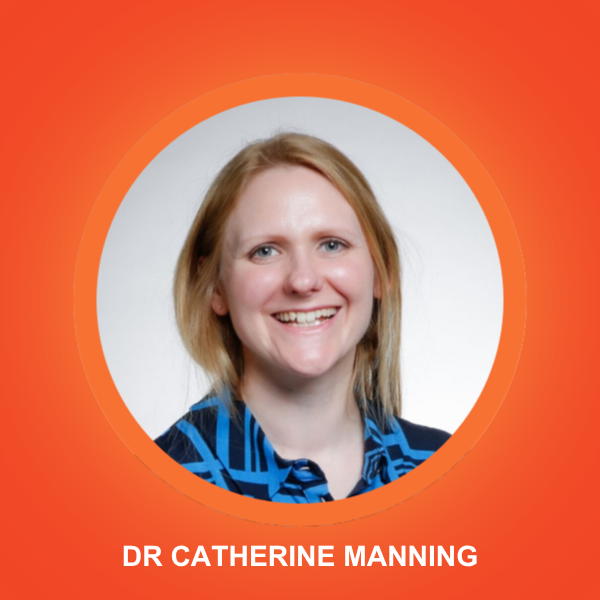
To date, most research into sensory processing has focused on the characteristics of the individual, without considering the sensory environment that puts such high demands on a person’s sensory processing. In this talk, I will share how our research group is building the evidence base about what makes an environment ‘sensory-inclusive’.
I will start by presenting results from online focus groups to explore which public spaces are experienced as more or less disabling by autistic adults, and why. I will then present completed and ongoing projects where we have partnered with businesses and neurodivergent people to address the interdisciplinary challenge of designing more inclusive environments. Finally, I will present initial findings from a project where we are investigating the precise visual features that lead to discomfort in autistic and non-autistic children.
The talk will end with some practical tips based on the evidence so far.
Dr Catherine Manning
Associate Professor in Psychology, University of Birmingham
Dr Cathy Manning is an Associate Professor at the University of Birmingham, having previously held research fellowships at the University of Oxford and led her own research group at the University of Reading. She researches sensory processing across child development and neurodiversity, conducting research and impact work to make the world more inclusive for autistic and other neurodivergent people, and leads the ‘Sensory Street’ project.
Cathy has received numerous early career awards, including the British Psychological Society Developmental Section Neil O’Connor Award, the Applied Vision Association David Marr Medal, the Experimental Psychology Society Prize, Autistica’s Reproducible Autism Science Award, and an Association for Psychological Science Rising Star Award. She is an Editor at the journal Autism and was selected as a member of the UK Young Academy in 2024.
The Sensory Help Now STEPS Model: Creating Environments and Relationships That Enable Participation
Dr Lelanie Brewer, Highly Specialised Occupational Therapist, Advanced SI Practitioner, Professional Advisor for Lifelong Learning
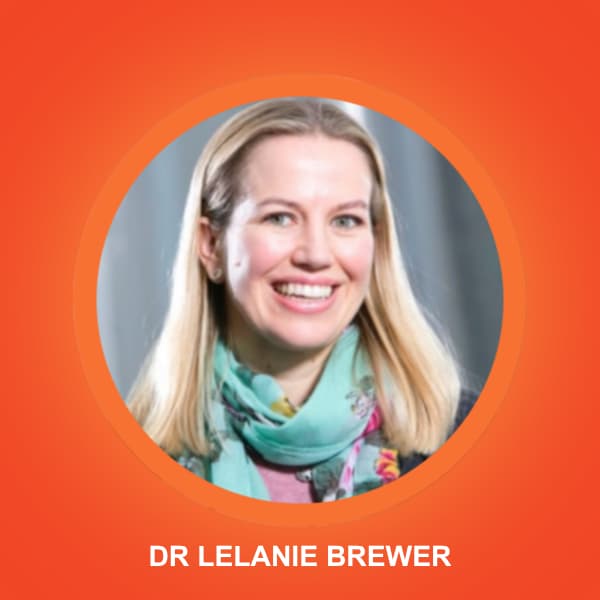
This session will explore how understanding sensory differences and adapting the environment can reduce daily distress and make room for children to be comfortable, capable and themselves.
Dr Lelanie Brewer
Dr Lelanie Brewer, Highly Specialised Occupational Therapist, Advanced SI Practitioner, Professional Advisor for Lifelong Learning, SIE
Dr Lelanie Brewer is an Occupational Therapist with 25 years' experience across NHS, private practice and school settings. She holds an MSc from Brunel, a PhD from Newcastle University, and a postgraduate qualification in sensory integration. Her expertise is in sensory processing differences and how they shape children's participation at home, at school and in play.
Lived Experience: Environmental Demands and Interoception
Rachael Thompson. BSc, PGCE with QTS, PGCert Sensory Integration, MSc Occupational Therapy
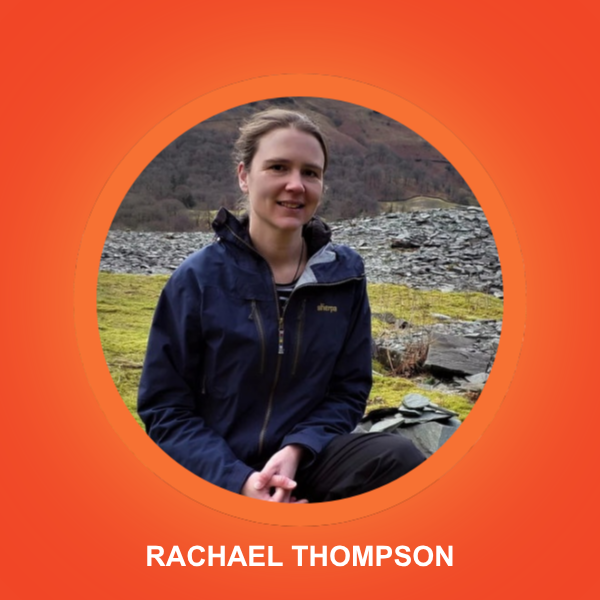
This presentation explores the relationship between environmental demands and interoception through the dual lens of lived experience and professional practice as an educator and occupational therapist. Rather than locating interoceptive processing differences within the individual, it considers how physical, sensory, and social environments — educational, therapeutic, and home — can support or hinder participation and wellbeing.
Using practical examples, the session encourages a shift from asking “What’s wrong with the person?” to “What could be changed in the environment to better support them?”, and offers ideas for responding to interoceptive differences through environmental adaptations and person-centred support.
You will leave with practical insights and greater confidence to create environments in which people with interoceptive processing differences can thrive.
Rachael Thompson, BSc, PGCE with QTS, PGCert Sensory Integration, MSc Occupational Therapy
Rachael is an Occupational Therapist, educator, and Director of Our Sensory Worlds, a platform advancing understanding of sensory processing through training, consultancy, sensory assessments and professional development. She is also Head Teacher and Director at Cairn Education, an independent specialist provider supporting autistic young people and those with complex needs. With over 20 years’ experience, Rachael’s work brings together clinical expertise, educational leadership, and personal insight as an autistic clinician.
Inclusive by Design: What SEND Reform Means for Sensory Environments in Schools and How We Make It Happen
Beth Smithson, Director of Lifelong Learning and Lead for Sensory Inclusive Schools
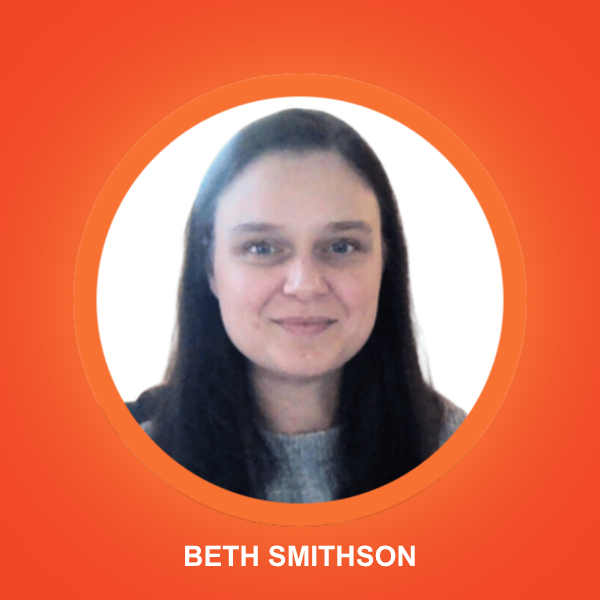
The emerging schools and SEND reforms call for earlier support, stronger universal provision and mainstream schools that are inclusive by design. This presentation will explore what these expectations mean for the sensory environment and how schools can translate national ambition into everyday practice.
Beth Smithson
Director of Lifelong Learning and Lead for Sensory Inclusive Schools
A paediatric occupational therapist, Beth qualified as an Advanced SI Practitioner with SIE in 2016 and has since applied sensory integration across the NHS, schools, community trusts, and international settings. As Director of Lifelong Learning, she leads SIE’s CPD offer and the Sensory Inclusion Facilitator Certificate — committed to empowering clinicians, parents, and schools to advocate confidently for sensory integration practice.
Creating Sensory-Inclusive Maternity Care: What Neurodivergent Parents Are Telling Us
Laura Spence, Founder of NeuroNatal & ADHD Midwife
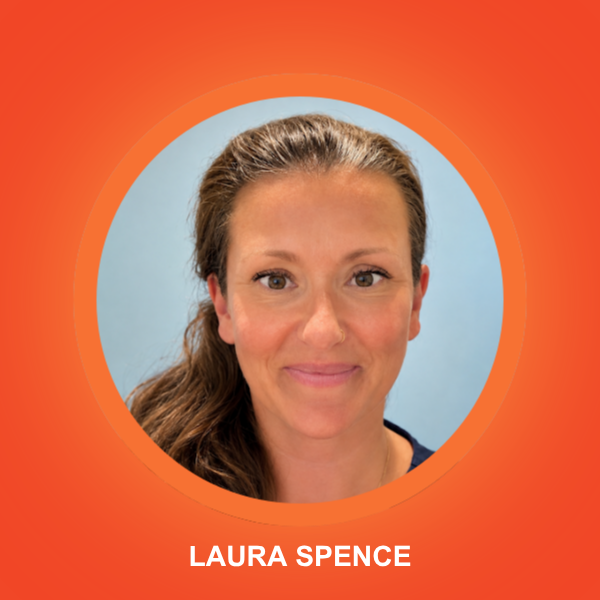
This presentation explores the environmental changes neurodivergent parents are asking for, not just changes to the physical space, but also to communication, relationships, routines, expectations and culture. Drawing on findings from the NeuroNatal Voices Survey, Laura will share practical examples of how maternity services can reduce sensory barriers, improve participation and create a greater sense of safety and belonging. Participants will leave with realistic, evidence-informed ideas they can begin applying within their own practice.
Laura Spence
Founder of NeuroNatal® · ADHD Midwife
Laura Spence is a midwife, educator and founder of NeuroNatal Academy CIC. Drawing on over 15 years of clinical experience, an MSc in Perinatal Mental Health and her own lived experience of ADHD, Laura is passionate about creating maternity services where neurodivergent families feel understood, included and able to thrive. She delivers training and consultancy across the UK and is currently leading the NeuroNatal Voices Survey, which explores how maternity care can become more accessible, sensory-inclusive, and responsive to the needs of neurodivergent parents.
Sensory Supportive Environments for Mental Health
Karen Forrest, Advanced Clinical Practitioner in Occupational Therapy, Certified Eco-Sensory Therapist
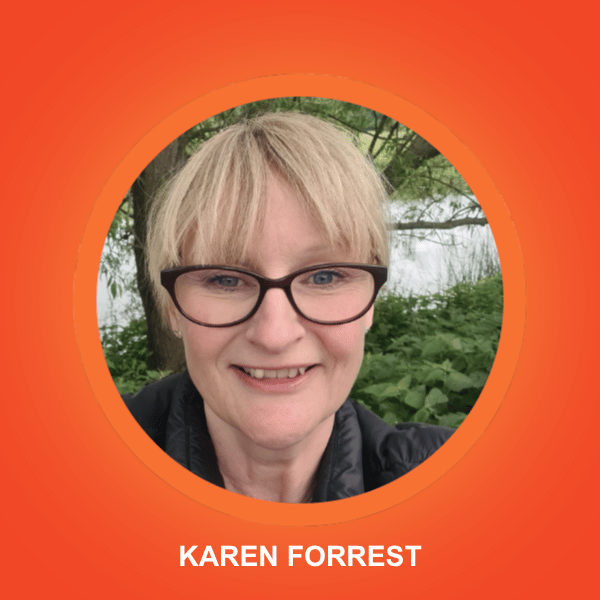
This presentation considers how sensory-informed environments can support mental health. Karen will look at the physical environment across a range of settings and how it can meet differing needs — the importance of comfort and natural elements, alongside meeting needs for low stimulus or reduced processing demand while still providing manageable sensory affordances within the constraints of any given setting.
The session then turns to the social environment and the critical importance of the right care, before considering how the environment can support safe playfulness — and why this matters to mental health, even for adults. Attendees will be signposted to a number of helpful resources throughout.
Karen Forrest
Karen Forrest, Advanced Clinical Practitioner in Occupational Therapy, Certified Eco-Sensory Therapist
Karen is a UK-based advanced clinical practitioner of occupational therapy, an advanced sensory integration practitioner and a certified eco-sensory therapist, drawing on this additional learning to inform her use of activity to promote mental health and wellbeing, development and function. Her practice always considers the impact of the physical and social environment on the people she works with, and how that environment can be improved. She is committed to understanding lived experience better and advocating for more neuroaffirmative and inclusive approaches.
She recently co-authored "The experiences of gravitational insecurity in adults: An interpretative phenomenological analysis", published in the British Journal of Occupational Therapy in June 2026, which examines the lived experience of this presentation and respectfully challenges traditional thinking around it.
Praxis and Participation: Designing Communities Where Every Body Can Participate
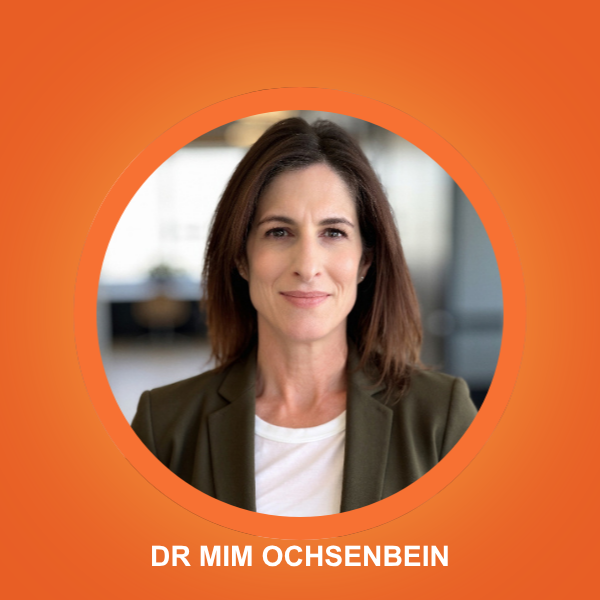
Dr Mim Ochsenbein, OTD, MSW, OTR/L
Conversations about sensory inclusive environments usually centre on modulation — adjusting lighting, reducing noise, providing calming spaces. These matter for regulation, but they overlook how a person acts and participates. For many neurodivergent people, the barrier to belonging is not sensory overwhelm but praxis: the ability to ideate, plan and execute purposeful movement. Someone can be perfectly calm and still be unable to navigate a space, use a tool or sequence a task, because the environment was never designed for their motor profile.
Drawing on the Social Model of Disability, this session shifts the focus from correcting an individual’s coordination to closing the gap between person and environment. It examines how the vestibular, proprioceptive and tactile systems — usually discussed only in terms of regulation — build the body map the brain needs to plan movement. A room can be sensory friendly and still be motor-hostile if its demands are unpredictable or poorly scaffolded.
Using the Person–Environment–Occupation model and grounded in neurodivergent affirmative practice, participants will learn to identify hidden motor barriers in classrooms, workplaces, transit hubs and community spaces, with practical strategies including environmental scaffolding, task adaptation, assistive technology and visual schedules. You will leave able to audit your own environments through a praxis lens.
Dr Mim Ochsenbein, OTD, MSW, OTR/L
Assistant Professor, Master of Occupational Therapy BRIDGE Program, Rocky Mountain University of Health Professions
Mim brings three decades of experience as an occupational therapist, educator and leader, with clinical expertise in paediatrics, sensory integration and processing, trauma-informed care, and social–emotional development across the lifespan. She has worked in school-based practice, early intervention, outpatient paediatrics and adolescent mental health; previously held executive leadership roles at the STAR Institute; and owns Potential Therapy, LLC, providing paediatric occupational therapy services, consultation and clinical supervision.
She earned her Doctorate in Occupational Therapy from the MGH Institute of Health Professions, where her work focused on embodied and relational approaches to professional reasoning, and holds a Master of Social Welfare from UCLA. She presents internationally on sensory integration and relational practice, with current work focused on helping occupational therapists develop reflective capacity, relational attunement, and embodied approaches to therapeutic engagement.
The Joy of Movement: Creating Sensory Supportive Community Spaces
Georgia Wills, Occupational Therapist, Sport for Confidence

This presentation explores how movement and physical activity can create opportunities for sensory joy, connection, confidence and belonging. Drawing on Sport for Confidence’s work in community settings, the session considers how the person, environment and activity interact to influence participation.
Through practical examples, it looks at sensory supportive environments, barriers to participation and the importance of considering the whole journey through a community space. It highlights how small changes and collaboration with community partners can create more meaningful, inclusive and sustainable opportunities for participation.
Georgia Wills
Senior Occupational Therapist, Sport for Confidence
Georgia Wills is a Senior Occupational Therapist at Sport for Confidence, where she leads the Single Point of Access Service, which she joined in 2023. She holds a BSc in Occupational Therapy from the University of Essex and has experience working with children and adults facing mental health difficulties, physical disabilities, Autism, and learning disabilities across settings including individuals' homes, schools, and hospitals, as well as a unique therapy farm using nature, animal, and farm-based interventions.
Georgia is passionate about accessibility and ensuring everyone has an equal opportunity to engage in meaningful activities, and is enthusiastic about using therapeutic interventions in non-clinical environments to promote physical and mental wellbeing, skill development, and community access.